





Zawad Ibn Jalil
@Zawad13 • May 27, 2020 •6 years ago
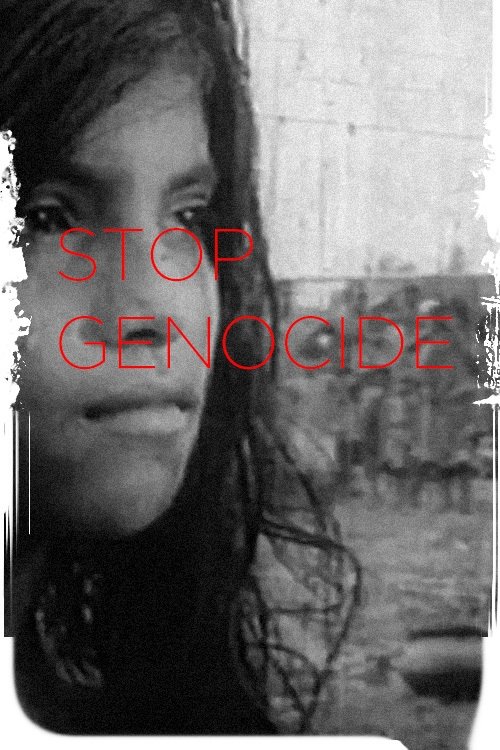
Stop Genocide is a 1971 documentary film by eminent Bangladeshi filmmaker Zahir Raihan. It is a 20-minute film that documents the killings and atrocities carried out by the Pakistan Army on the people of the then East Pakistan. It also depicts the plight of the refugees and the activities of the Government in exile. Raihan made his debut in making of documentary films by Stop Genocide. Raihan started planning for this documentary around April–May in 1971 and soon started making it. Film Director Alamgir Kabir helped him. It was June and the film was produced in less than a month. Similarity of this documentary with some of those by Cuban filmmaker Santiago Alvarez indicates Álvarez’s influence over Zahir Raihan. Raihan adopted a new technique of film-making of using found video clips and photographs while he was working for this documentary. The film was created using whatever it was found in the newsreel and clips and footage. Raihan made this documentary with an aim to create world opinion against the brutal acts committed by Pakistan Army. Raihan was a Refugee staying in Kolkata when he made this film. Footage of Stop Genocideincludes clips from a camp of freedom fighters and the camp commandant, Lt. Col Quazi Nooruzzaman. The commandant gives an interview. He talks about the war, the reason behind the war, the moral strength and confidence that is on the side of the Bangladeshis. The documentary ends with the word STOP occupying full frame.